Changing a finish without demolition appeals to many homeowners. It may be possible in some projects, but starts with an assessment of the existing assembly.
It is not only about adhesion to the tile. The stability of everything beneath it matters too.
Check before covering
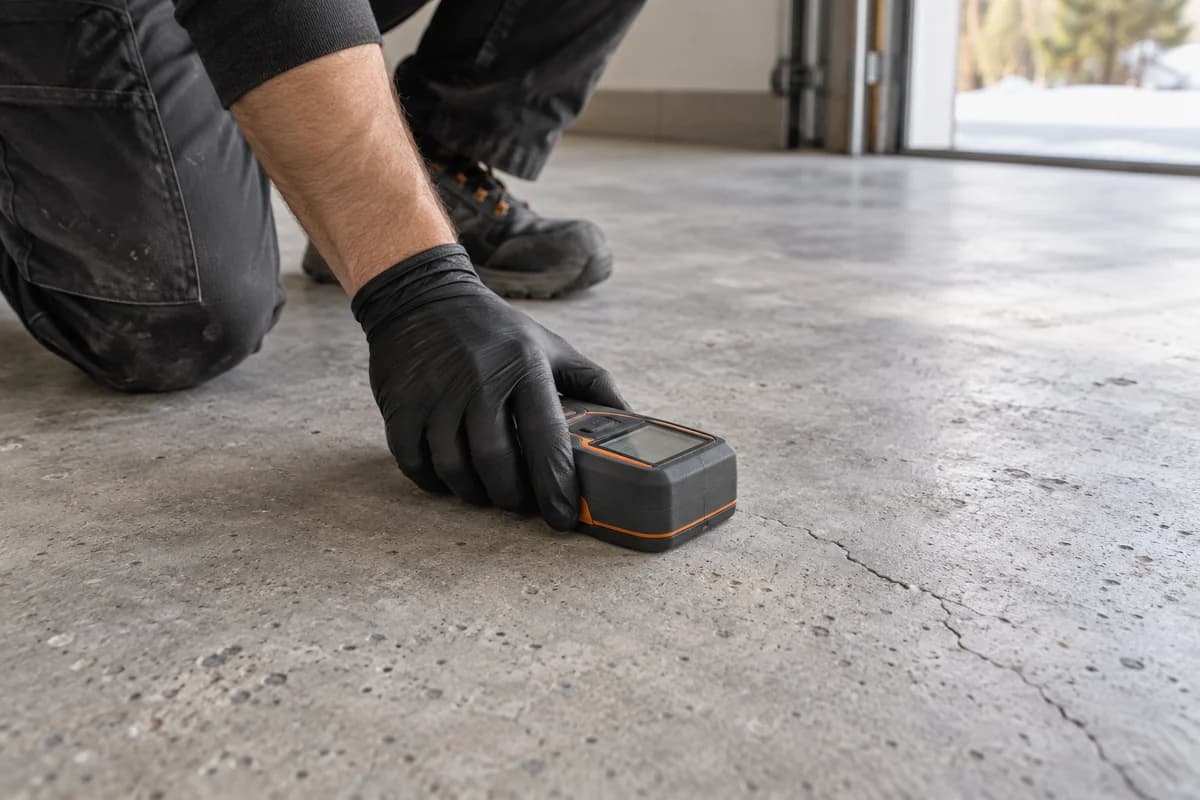
Cracked, moving or detached tiles can indicate a problem resin will not fix. Inspection also considers grout, substrate, moisture and transitions to other surfaces.
Removing problem tiles and correcting the substrate can change the economics of resurfacing. Ask to compare options after inspection rather than assuming that keeping the tiles will always be simpler.
Prepare tiles and grout
Cleaning, mechanical preparation, grout treatment and primer must suit both the tile and selected coating. The grid may remain visible if the substrate is not corrected sufficiently.
A local test can help check compatibility. Added height and door transitions also need planning, even when the coating seems thin.
Separate decoration from waterproofing
A dry floor and a shower have different requirements. Drains, slopes and wet-area waterproofing need an appropriate assembly. A decorative finish alone does not provide that solution.
When requesting an estimate, explain where the tile is, how long it has been installed and whether tiles have been repaired. That information helps determine whether to coat, correct or remove.
Your checklist
- Stable tiles
- Grout and bond assessed
- Heights and transitions planned
- Dry or wet use clearly identified
Recommendations must be adapted to the substrate and documentation for the installed system. This article does not replace a site assessment.